
The evolution of casinos tracing their history from ancient games to modern gambling
Exploring the Thrills of High Roller Experiences in Casinos
17/04/2026Die Entwicklung des Casinospiels: von traditionell nach virtuell
17/04/2026The evolution of casinos tracing their history from ancient games to modern gambling
Origins of Gambling: Ancient Civilizations
The history of casinos can be traced back to ancient civilizations, where forms of gambling emerged as early as 3000 BC. In ancient China, tiles were discovered that resembled a rudimentary game of chance, while the Egyptians utilized dice made of wood, bone, or ivory in various games. These early forms of gambling laid the groundwork for the structured games we know today, as they reflected the human desire for entertainment and risk-taking. In contemporary discussions, one can find insights into the intriguing offerings ofWettson casino in United Kingdom, which showcases how far we have come in the gaming industry.
Additionally, the Romans were known for their gambling culture, where dice games were a popular pastime among soldiers and citizens alike. They incorporated gambling into their social activities, contributing to the evolution of gaming practices. This desire to engage in competitive games reflected societal values, with chances taken in gaming mirroring the uncertainties of life and politics in ancient times.
As gambling spread across cultures, various games were developed, leading to the foundation of more sophisticated gaming practices. The shift from informal gatherings to organized betting activities paved the way for the establishment of the first casinos, which would emerge centuries later as societies began to formalize gambling rules and structures.
The Birth of Casinos in Europe
Fast forward to the 17th century, where gambling became institutionalized with the establishment of the first official casino in Venice, Italy, known as the Ridotto. This venue was created for the Carnival season and featured card games, allowing a more structured form of gambling. The Ridotto not only served as a gaming house but also became a cultural hub, attracting a variety of patrons looking for entertainment.
Throughout the 18th century, casinos began to proliferate across Europe, with locations in France and Germany gaining popularity. The introduction of games like roulette and baccarat further defined the modern casino landscape. These establishments combined luxury with entertainment, creating an allure that attracted nobility and commoners alike, transforming gambling from a social pastime into a glamorous experience.
During this era, gambling was often associated with high society, and the rules governing games became more formalized. The establishment of casinos during this time provided a blueprint for the modern gaming industry, setting standards in game design, hospitality, and customer experience that would resonate through the ages.
The Rise of Gambling in America
The 19th century marked a significant shift in the gambling landscape as casinos began to appear in America. The Gold Rush attracted fortune seekers to the West, leading to the emergence of gambling houses in mining towns. This period showcased a more rugged approach to gambling, characterized by informal poker games and saloons, where risks were taken amidst a backdrop of ambition and adventure.
The late 19th century saw the establishment of formal casinos in cities like New Orleans and later Las Vegas. The legalization of gambling in Nevada in 1931 was a pivotal moment, allowing casinos to flourish and giving rise to the extravagant resorts we associate with Las Vegas today. The expansion of casino operations during this time demonstrated the economic potential of gambling, leading to the creation of job opportunities and contributing to local economies.
As casinos grew in popularity, they became synonymous with entertainment, featuring lavish shows, dining experiences, and a vibrant nightlife. The marriage of gambling with entertainment solidified the casino’s role as a significant cultural and social institution in American society, transforming how people engaged with games of chance.
Technological Advancements and Modernization
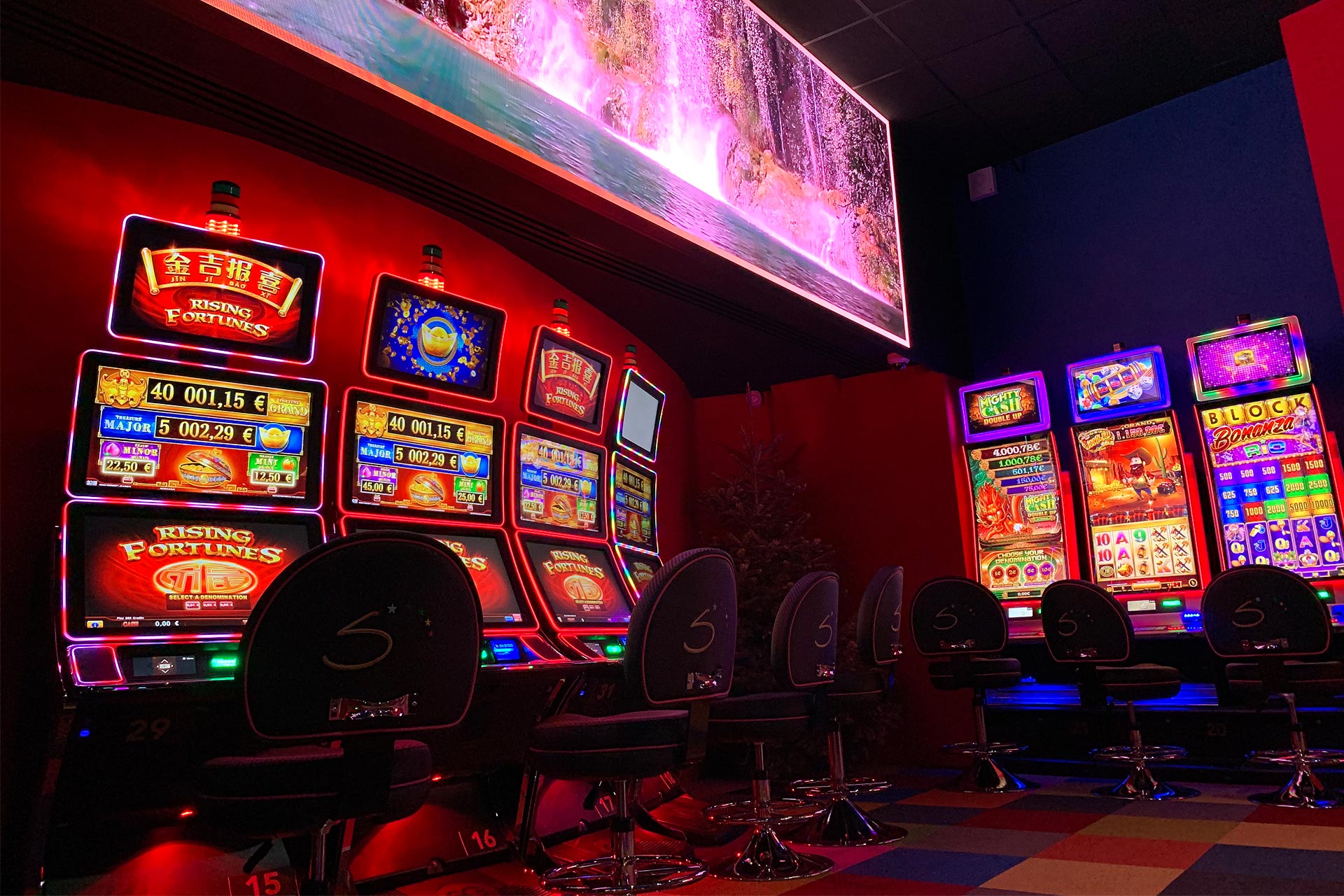
The late 20th and early 21st centuries ushered in a technological revolution that transformed the casino experience. The introduction of video slot machines revolutionized the way players interacted with games, replacing traditional mechanical slots with engaging digital interfaces. The transition from physical to electronic games not only increased the volume of gaming options but also attracted a wider audience to casinos.
In recent years, online gambling has significantly altered the landscape, allowing players to access games from the comfort of their homes. Online casinos offer a vast array of gaming options, from classic table games to innovative slots, accessible through mobile devices and computers. This shift towards digital has broadened the definition of casinos, making gambling more inclusive and convenient.
Moreover, advancements in technology have led to the integration of virtual reality and live dealer games, creating immersive experiences that replicate the atmosphere of traditional casinos. These innovations are changing how players engage with gambling, bridging the gap between physical and virtual environments and allowing for more interactive and social gameplay experiences.

Innovative Online Gaming Platforms
With the rapid evolution of online gambling, platforms like Wettson have emerged to cater to modern players seeking diverse gaming experiences. Offering a wide array of games, from slots to live dealer tables, Wettson provides an engaging environment that reflects the latest trends in the gaming industry. Such platforms attract a global audience, creating opportunities for gamblers of all levels to experience their favorite games.
Wettson emphasizes accessibility and security, supporting various payment methods, including cryptocurrencies. This flexibility in transactions ensures players can enjoy their gaming experience without concerns about safety or regulatory limitations. The robust welcome offers and promotions available on such platforms further enhance the appeal, enticing new players to explore their gaming options.
As the online gaming landscape continues to evolve, platforms like Wettson will play a crucial role in shaping the future of gambling, blending traditional elements with innovative technologies to create a unique experience. The commitment to providing a diverse and engaging gaming environment illustrates the continuing evolution of casinos in the digital age.