
Understanding the psychology of gambling what drives your bets
Forge Your Fortune Master the art of card play and download teen patti for an electrifying experienc
25/02/2026Ontdek de geheimen voor grote overwinningen in casino’s met deze bewezen strategieën
25/02/2026Understanding the psychology of gambling what drives your bets
The Allure of Risk and Reward
The psychology of gambling is deeply intertwined with the human experience of risk and reward. Many individuals are drawn to the thrill of potentially winning significant amounts of money, which can lead to a heightened sense of excitement and adrenaline. This rush can create a powerful motivation to place bets, as the anticipation of winning generates feelings of pleasure and excitement. For instance, when diving into exciting games like Ice Fishing, an Ice Fishing app download can enhance that experience tremendously. The prospect of a life-changing win can overshadow the potential for loss, driving many to continue engaging with gambling activities.

This allure is not only about monetary gain; it also taps into fundamental human emotions such as hope and desire. Gamblers often envision what they could do with their winnings—pay off debts, travel, or indulge in luxuries. This creates a fantasy that can be more enticing than the reality of the odds, leading to repeated betting behaviors, even in the face of losses.
The Role of Cognitive Biases
Cognitive biases play a significant role in shaping gambling behaviors. One of the most common biases is the illusion of control, where gamblers believe they can influence outcomes through their actions or strategies. This belief can lead players to engage in superstitious behaviors, such as wearing lucky clothing or performing rituals before placing bets. Such biases reinforce the idea that one can beat the odds, which can perpetuate gambling habits even when the reality suggests otherwise.
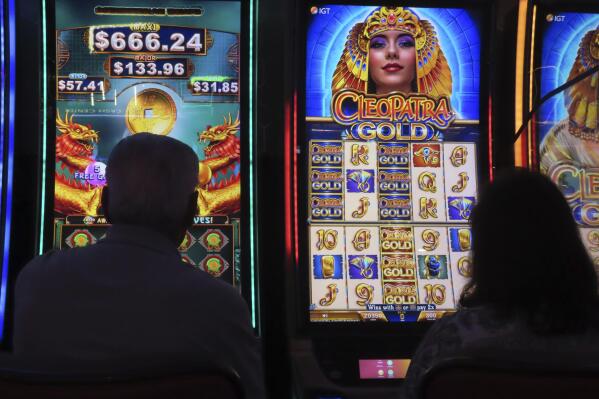
Another important cognitive bias is the gambler’s fallacy, where individuals believe that past results influence future outcomes. For instance, a player might think that a slot machine is «due» for a win after a series of losses. These misconceptions can create a cycle of betting that is hard to break, as players continue to gamble in the hopes that their luck will change based on flawed reasoning.
The Impact of Technology on Gambling Behavior
Technological advancements have transformed the gambling landscape, making it more accessible and engaging than ever before. Online platforms and mobile applications enable users to gamble from the comfort of their homes, which can lead to increased participation and spending. The convenience of technology has removed many barriers to entry, allowing individuals to place bets anytime and anywhere, further fueling gambling behaviors.
Additionally, technology introduces innovative gaming experiences that keep players engaged. Features such as live dealers, interactive interfaces, and gamified elements provide a sense of immersion and excitement. These advancements not only enhance the thrill of gambling but also create environments that encourage longer play sessions, making it easier for individuals to lose track of time and money.
The Emotional Triggers Behind Gambling
Gambling is often used as a means of escaping from stress, anxiety, or boredom. For many, placing bets can provide a temporary distraction from life’s challenges, creating a sense of control in an otherwise chaotic environment. This emotional escape can lead to a cycle where individuals turn to gambling repeatedly to cope with their feelings, further deepening their involvement in the activity.
Moreover, the social aspect of gambling can also serve as a powerful emotional trigger. Many people enjoy the camaraderie and excitement of betting in groups, whether at a casino or online. The shared experience can amplify emotions, making it even more tempting to participate. This social validation can reinforce gambling behaviors, as individuals seek connection and enjoyment through shared risk-taking.
Conclusion: Understanding Your Betting Motivations
Understanding the psychology behind gambling is crucial for individuals looking to manage their betting behaviors. By recognizing the influences of risk and reward, cognitive biases, technology, and emotional triggers, gamblers can become more aware of their motivations. This awareness can be a vital step in developing healthier relationships with gambling.
Ultimately, seeking a balance between enjoyment and responsibility is key. Whether you’re a casual gambler or someone who finds themselves drawn into the thrill of betting, understanding these psychological factors can help you make informed choices and enjoy gaming responsibly.